
Understanding the Reality
A closer look at the current landscape of teen motherhood in Kenya. The challenges, the numbers, and why support systems matter.
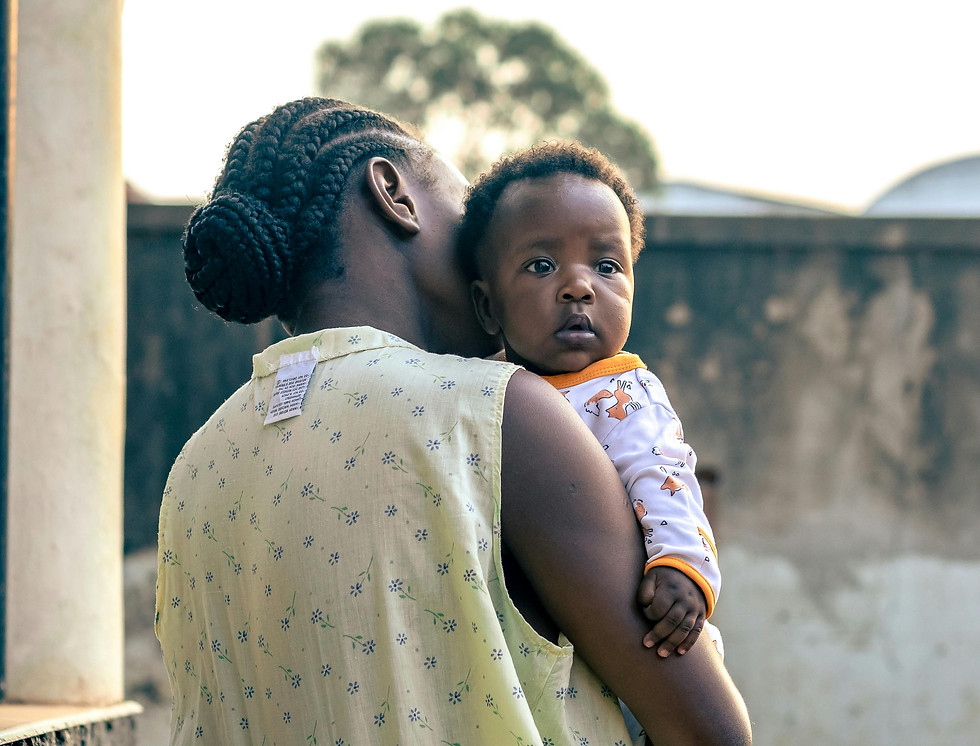
Facts About Teen Mothers in Kenya
Teen motherhood continues to shape the lives of many girls in Kenya, influencing their health, education, and long-term opportunities. While national progress has been made, adolescents in vulnerable communities still face early pregnancy with limited support.
These key facts, drawn from credible national and global data, help us understand the challenges and why supporting young mothers is essential to unlocking their potential.
The Current Situation
In Kenya, approximately 15% of girls aged 15–19 have been pregnant or have already given birth, according to the 2022 Kenya Demographic and Health Survey (KDHS).
This reflects a gradual decline from previous years (18% in 2014), but the numbers remain significant — particularly at the county level.
Teen pregnancy rates vary widely across the country:
-
Some counties, such as Samburu, West Pokot, and Marsabit, report rates exceeding 30–50%
-
Other regions, including Nyeri and Nyandarua, report much lower prevalence, around 5%
These disparities highlight how location, access to education, and economic conditions play a major role in adolescent outcomes.
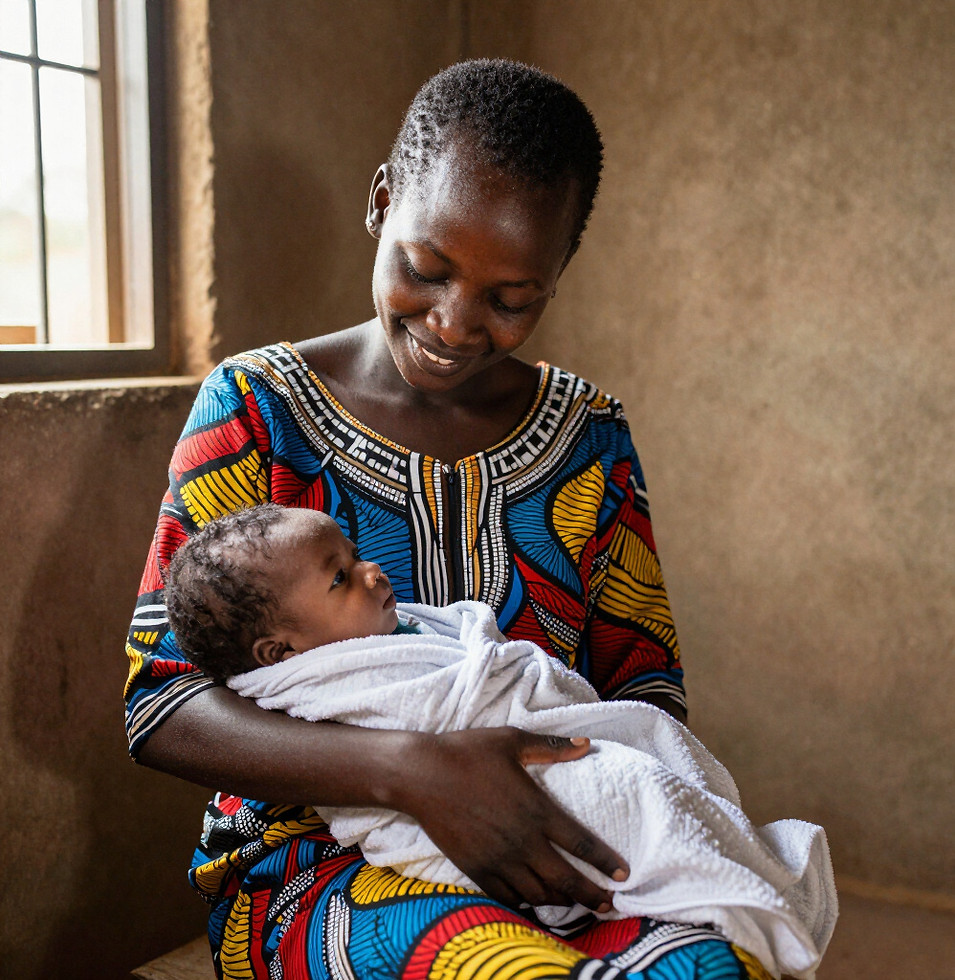
Why Teen Pregnancy Happens
Teen pregnancy in Kenya is shaped by a combination of social, economic, and systemic factors:
.jpg)
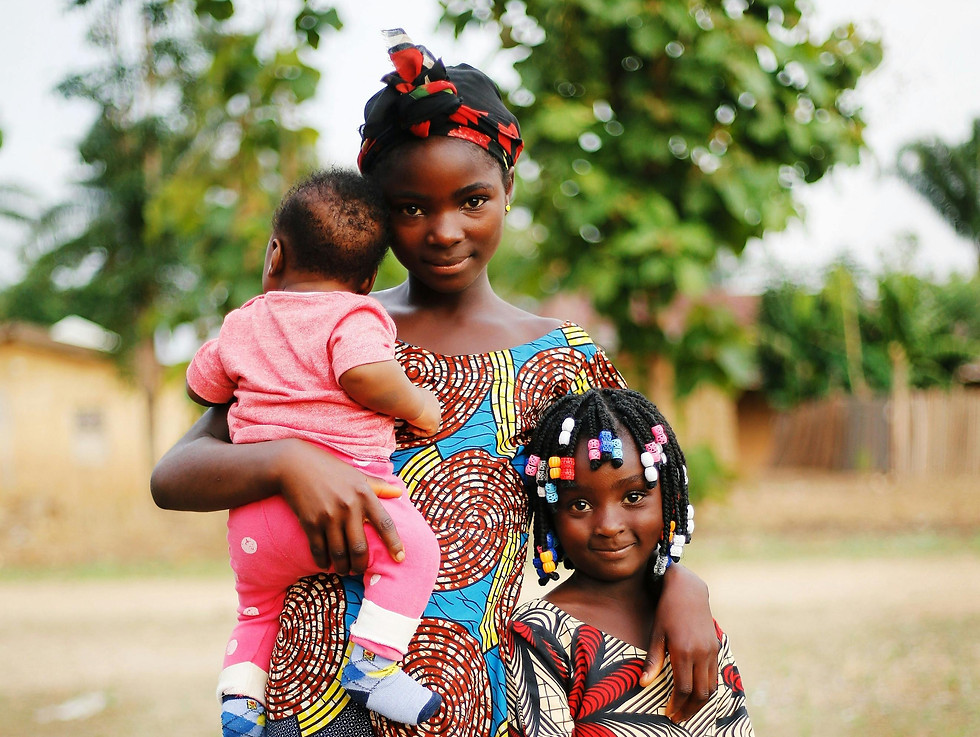
Limited access to education
Girls with little or no formal education are significantly more likely to become pregnant during adolescence.

Poverty and
inequality
Adolescents from low-income households often face barriers to reproductive health services, information, and protection.

Gaps in sexual and reproductive health education
Many young people lack access to accurate, age-appropriate information and youth-friendly health services.

Social and cultural pressures
Gender norms, early marriage, and limited family dialogue around sexuality increase vulnerability for adolescent girls.
Why This Matters And
What We Can Do
Teen motherhood affects more than one life. It influences economic opportunity, child development, and the long-term strength of communities.


Education & Lifetime Income
A completed secondary education can increase a woman's cumulative lifetime earnings by 200%.
For teen mothers, returning to school is not just a personal victory; it is the single most effective way to secure financial independence and provide a stable future for their families.

Breaking the Poverty Cycle
Poverty and teen pregnancy are deeply intertwined.
By facilitating school re-entry and providing vocational tools, we empower young mothers to gain the skills required to lift not just themselves, but their children and wider communities out of systemic cycles of disadvantage.
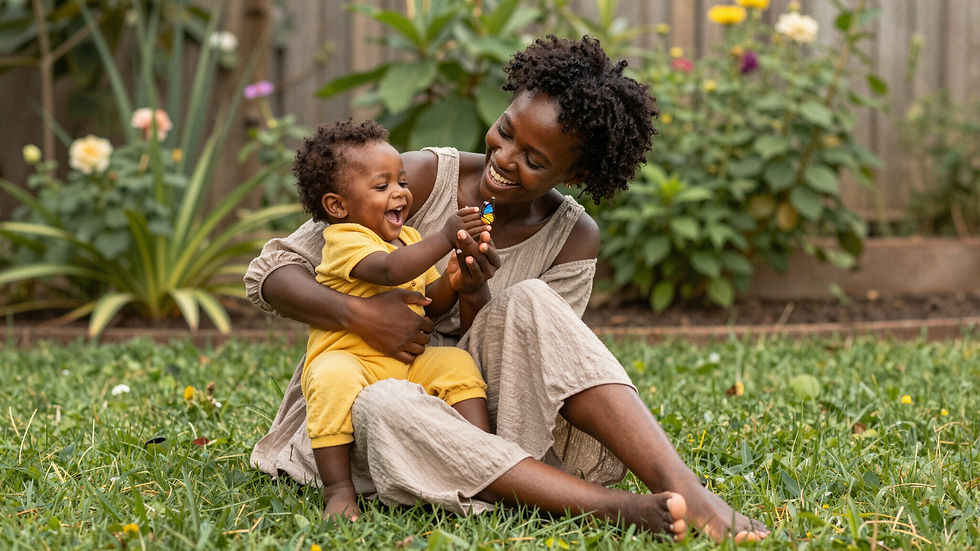
Better Outcomes for Children
Children born to educated mothers are significantly more likely to receive adequate nutrition, preventive healthcare, and schooling themselves.
Supporting a teen mother's learning is a direct investment in the health, literacy, and potential of Kenya's next generation.

National Development Impact
When girls finish school, the entire nation prospers.
Empowering teen mothers to re-engage with the economy strengthens the overall social fabric of Kenya and drives national growth by fostering a more diverse, skilled, and empowered workforce for the future.
When Communities Step In,
Two Generations Rise
Teen motherhood is not just a health issue, it is a development and equity issue. But it is also an opportunity for communities to step in and change the trajectory of two lives at once: a young mother and her child.
When girls become mothers too early, their education is often disrupted, their earning potential decreases, and cycles of poverty can continue across generations. Yet with the right support systems in place, these outcomes are not inevitable.
Despite strong re-entry policies in Kenya, many young mothers still face stigma, financial barriers, and lack of childcare support. That means policy alone is not enough, implementation and community engagement matter just as much.
Support a teen mother today.

The statistics are real.
But so is hope.
At Taa Ya Mama, we believe that when a young mother is given the tools to succeed, she doesn’t just survive; she thrives.
With targeted support, a teenage mother can:
➤
➤
➤
Return to school and complete her education.
Gain vocational skills to provide for her child.
Lead a life of dignity and financial independence.
Support a teen mother today.
Resources & References
Kenya National Bureau of Statistics (KNBS) and Ministry of Health (MoH) reports on teenage pregnancy and education.
Findings from the African Population and Health Research Center (APHRC) and other academic studies on youth empowerment.